Experts recommend checking existing joints and sealants, cleaning and preparing aged surfaces, verifying drains, and using coatings with certified UV resistance. In new constructions, respecting the curing times of mortars and plasters is key to avoiding premature failures during the hottest months. In areas with heavy rainfall, thermal stress becomes even more critical. The combination of extreme heat followed by precipitation causes abrupt contractions and expansions that affect roofs, balconies, party walls, and material joints.
"An active crack that allows water to enter must be treated immediately.", the report states.
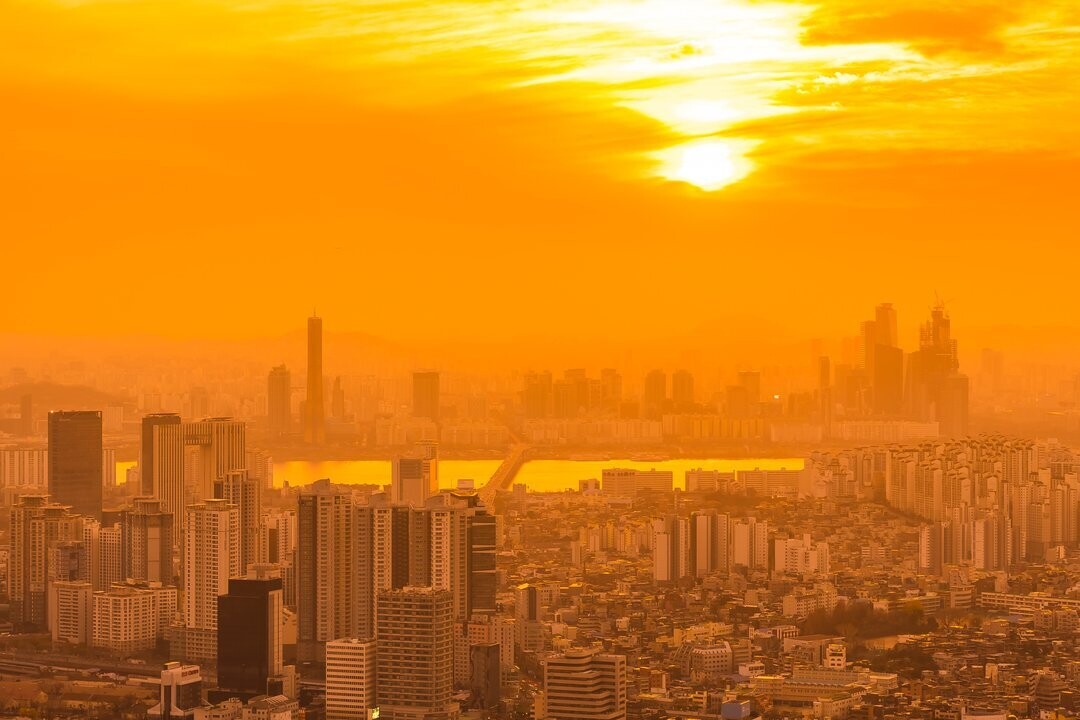
High temperatures, solar radiation, and torrential rains, in addition to causing dilations, cracks, and premature failures in building materials, transmit thermal concentration to the interior of homes and buildings. Likewise, walls that receive direct sun from midday onwards overheat in summer, so cooling the environment with air conditioning requires excessive electricity consumption, which overloads the electricity bill and harms the bronchial health of people inside, analyzed Noticias Argentinas agency.
In 2026, UV indices in areas like Buenos Aires reach extreme levels (12+), accelerating the degradation of polymers, paints, and roofs. It causes cracks and loss of color, just as it damages the skin of people exposed when the sun is highest and its rays hit perpendicularly. It is therefore essential to apply reflective coatings, use UV-resistant materials, and protect personnel.
Thermal Stress
Experts in the field define thermal stress as the progressive process that affects plasters, paints, mortars, and sealants, reducing their lifespan and generating structural and aesthetic failures. Prolonged sun exposure directly impacts exterior surfaces. Paints and coatings degrade from UV radiation, plasters lose internal moisture and begin to micro-crack, while mortars can lose surface cohesion. At the same time, rigid or low-quality sealants tend to harden, lose elasticity, and stop absorbing the natural movements of the structure.
One of the first warning signs of thermal stress is the appearance of capillary cracks, crazing, joint separation, and sealant deformation, especially at the junctions between carpentry and walls. These early signals are often underestimated but can lead to water infiltration, detachment, and much more costly repairs if not addressed in time.
A Technical, Not Just Aesthetic, Issue
"The most frequent mistake is to treat maintenance as an aesthetic rather than a technical issue. Exterior surfaces are in constant movement and need products that accompany that dynamic, especially in summer," explains Aylen Muñoz Alegre, Communications Manager at Mapei Argentina.
"The use of rigid sealants in areas with expansion or the application of products onto hot surfaces are practices that drastically reduce the durability of any system," she adds.
Prevention begins before intense heat arrives. In these cases, elastic sealants and suitable waterproofing systems make the difference between a lasting solution and a recurring problem," add the experts from Mapei.
Consequences
Thermal stress does not appear overnight, but its consequences do, conclude the specialists.
A well-planned preventive maintenance and the correct choice of materials not only prevent leaks and detachment but also prolong the life of the dwelling, reduce long-term costs, and prevent interior walls from overheating.